
Search in blog
Popular posts
Clinical cases : implant surgery
Clinical case: Implant placement after bone graft apposition and recovery with autogenous bone
Read more
HYGITECH Academy invites you to watch this clinical case on dental implant placement after bone...
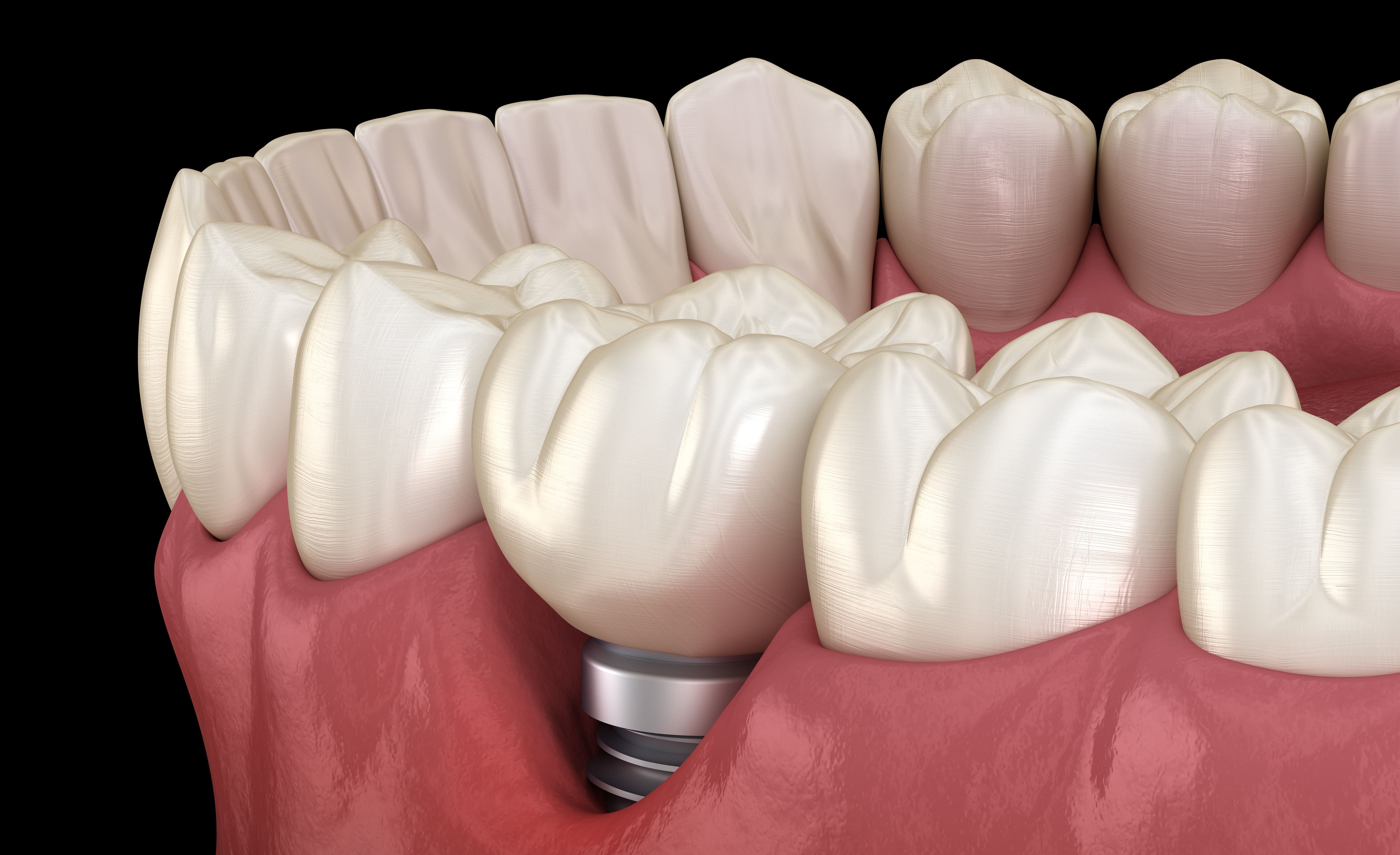
Surgery
Peri-implantitis 2/3 : epidemiological data, various means of diagnosis and different risk factors.
Read more
Further to the anatomical-histological review of periodontal and peri-implant tissues, this...
Product guide
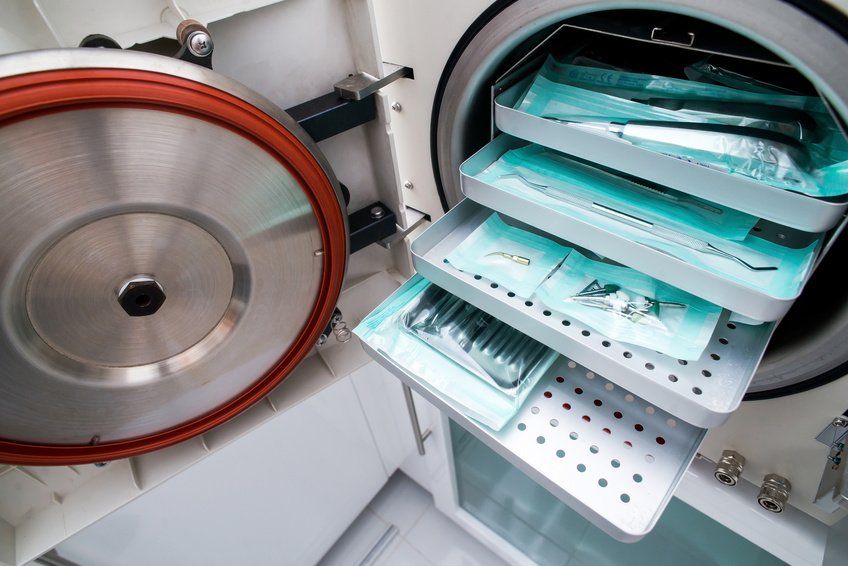
How to choose an autoclave?
The autoclave is a central piece of equipment in any dental practice. It ensures the...
Read more
Product guide
List of surgical goods and equipment needed
The success of a surgical procedure doesn’t rely solely on the practitioner’s skills—it also...
Read more
Product guide
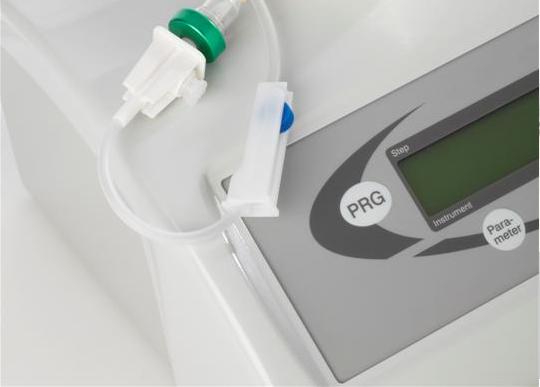
How to choose an implant unit?
Read more
Implant unit motors are necessary equipment for placing dental implants. They are composed of a...
Categories
- Surgeon Testimonials (1)
- Product guide (3)
- Personal Protective Equipment (2)
- Patient & DHCP surgical paths (3)
- Dental associations (1)
- Courses, conferences & trade shows (1)
- Communication to patient (2)
- Code of conduct (1)
- Clinical cases: Other specialties (2)
- Dental software (1)
- Instrument display guidelines (2)
- Infection control & Guidelines (9)
- Health questionnaire (1)
- Health care systems, insurances (3)
- Hand Hygiene (3)
- Clinical cases: How to retrieve the irretrievable? (1)
- Ergonomics in a dental practice (2)
- Disinfecting solutions (5)
- Decontamination room layout (2)
- Decontamination & sterilisation (1)
- Stériliser, emballer & stocker (1)
- Protocols of use (13)
- Product guide (4)
- Sterilization processes, sterilization breach e.g. (3)
- Schooling (1)
- Risques infectieux (1)
- Resources (1)
- Thesis (11)
- Practice design, running costs (4)
- Sterilize, pack & store (4)
- Clinical cases : implant surgery (20)
- Standards (1)
- Patient Management (5)
- Preparation (2)
- Surgery (7)
- Layout and cost of an office (1)