
Vacuum waste bag refill
- Compatible with various vacuum systems Compatible with various …
- Secure, anti-contamination sealing Secure, anti-contaminati…
- Effective disposal of liquid waste Effective disposal of li…

 New customer?

The layout of the reprocessing area Successful infection control is vital in all dentist...
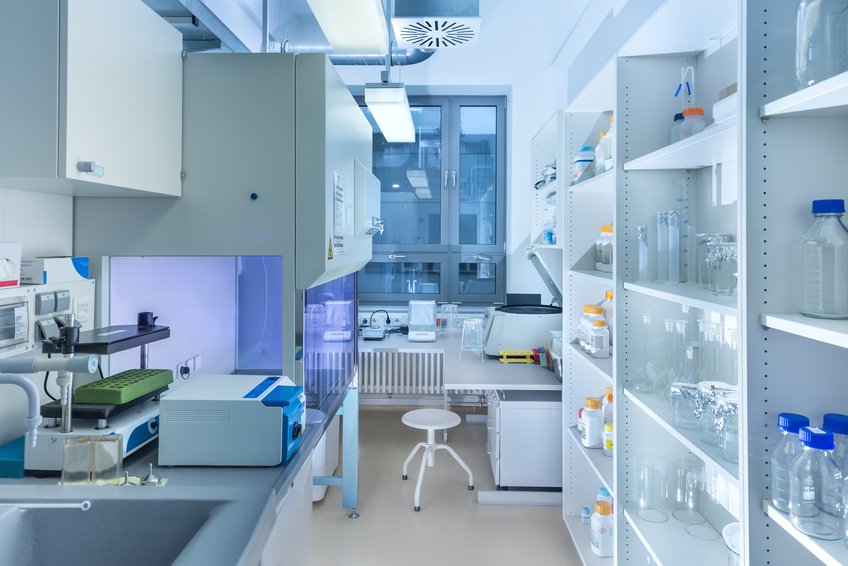
The success of a surgical procedure doesn’t rely solely on the practitioner’s skills—it also depends on a perfectly adapted operating environment that is ergonomic, aseptic, and compliant with current regulations. The layout of the clinic and the choice of equipment are strategic elements to ensure safe and efficient care, particularly in the field of oral implantology.
According to the recommendations of the French National Authority for Health (HAS) and ISO 14644 standards, a surgical room should be organized into clearly defined zones to minimize the risk of cross-contamination:
Clean zone: the surgical room itself, with minimal furnishings, exclusively for the patient and surgical team.
Semi-clean zone: preparation area (surgical sink, gowning), possibly with an anteroom between sterilization and the OR.
Dirty zone: used for decontamination and sterilization of instruments—must remain strictly separate from clean circuits.
It is crucial to maintain a one-way flow of instruments and personnel—from dirty to clean—to prevent back-contamination.
Surgical furniture must enable smooth procedures with minimal handling:
Surgical table: stable, height-adjustable, adapted to the practitioner’s working position (often seated for implant procedures).
Ergonomic stools for both surgeon and assistant, with lumbar support and multiple adjustment options.
Stainless steel rolling tables or mobile work surfaces to arrange instruments according to the surgical plan.
All materials must be non-porous and easy to disinfect, meeting hygiene standards for surgical areas.
High-quality surgical lighting is essential for accurate, shadow-free visibility:
Color temperature close to daylight (4,000–5,500 K)
Color Rendering Index (CRI) above 90
Adjustable beam and intensity to adapt to each phase of the procedure
LED ceiling or articulated-arm lights are widely used for their power and low heat output.
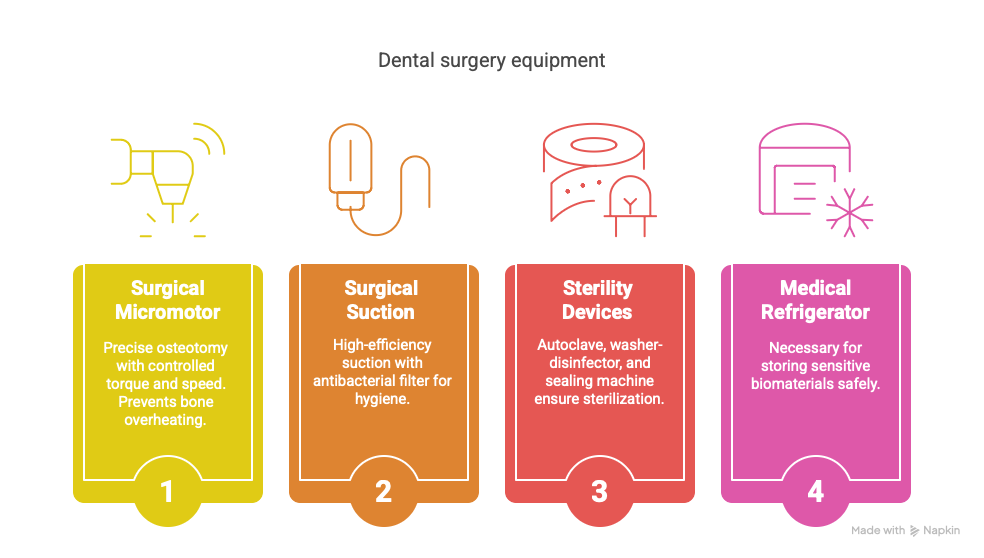
Certain devices are essential for safe and reliable implant procedures:
Surgical micromotor: with torque and speed control for precise osteotomy without bone overheating
High-efficiency surgical suction with antibacterial filters
Sterility management devices: Class B autoclave, thermal washer-disinfector, sealing machine for sterilization pouches
A medical refrigerator may be necessary for storing sensitive biomaterials
Field setup must follow strict protocols:
Use of single-use sterile kits to ensure complete, compliant setups for each procedure
Draping of the surgical area with adhesive, waterproof, and tear-resistant surgical drapes
Mandatory use of sterile attire: gowns, caps, masks, sterile gloves, and shoe covers
Following these measures significantly reduces the risk of post-operative infection.

 How to choose an implant unit?
How to choose an autoclave?
Legal Obligations in Dental Implantology: A Strict Framework to Ensure Patient Safety
How to choose an implant unit?
How to choose an autoclave?
Legal Obligations in Dental Implantology: A Strict Framework to Ensure Patient Safety