
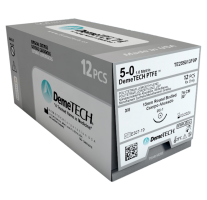
Suture nylon monofilament non résorbable DemePTFE
- Excellent knot security Excellent knot security
- Excellent tissue tolerance Excellent tissue toleran…
- Non-resorbable Non-resorbable
Contact us : 00 33 1 48 01 32 89
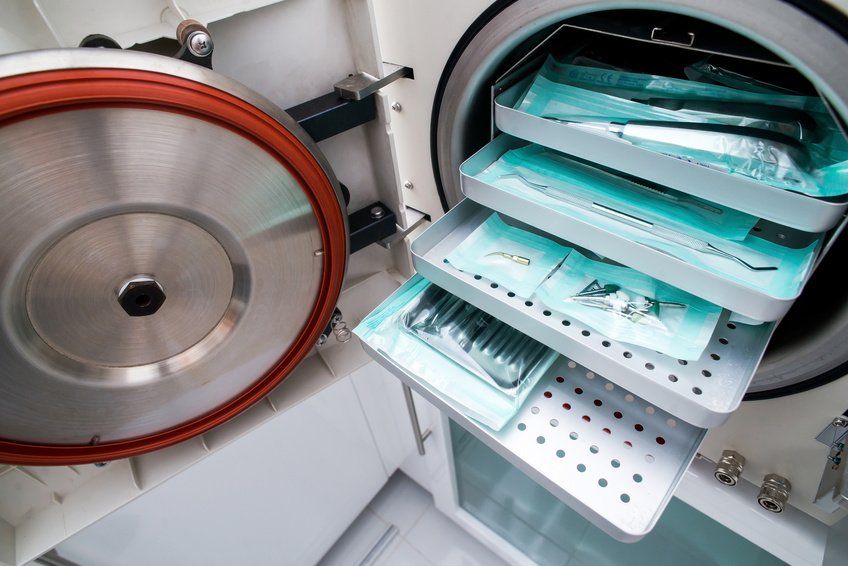
The layout of the reprocessing area Successful infection control is vital in all dentist...
Choosing the right sutures is a crucial step in patient care following a surgical procedure, particularly in dental implantology. The selection depends on several criteria, including the nature of the procedure, the characteristics of the tissue to be sutured, and the practitioner's preferences and habits. This article defines the different types of sutures and the factors to consider to make the most appropriate choice for each clinical situation.
The selection of sutures is based on several elements:
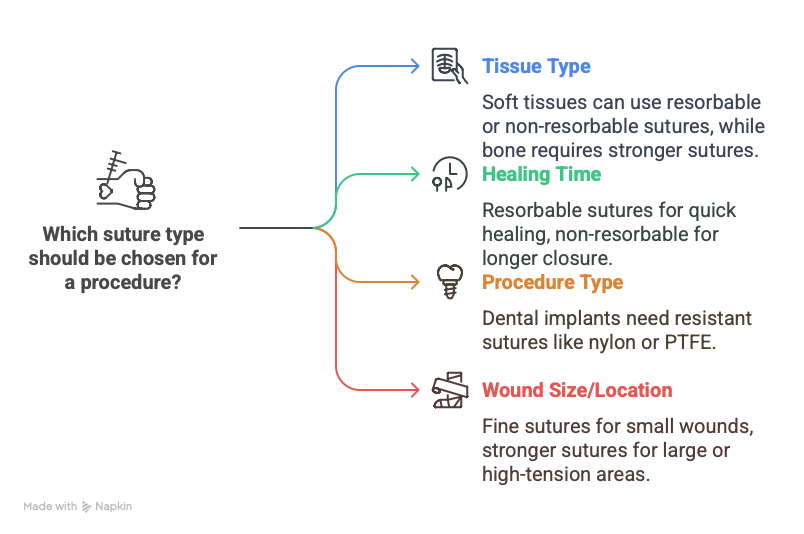
Type of tissue to be sutured: Soft tissues (gums, oral mucosa, etc.) and harder tissues (such as bone) require specific sutures. Soft tissues can be sutured with either resorbable or non-resorbable threads, while bone often requires stronger sutures or special fixation materials.
Healing time: Some resorbable sutures are chosen for procedures where complete healing is expected within a few weeks. In contrast, for longer procedures or those requiring longer-lasting closure, non-resorbable sutures are preferred.
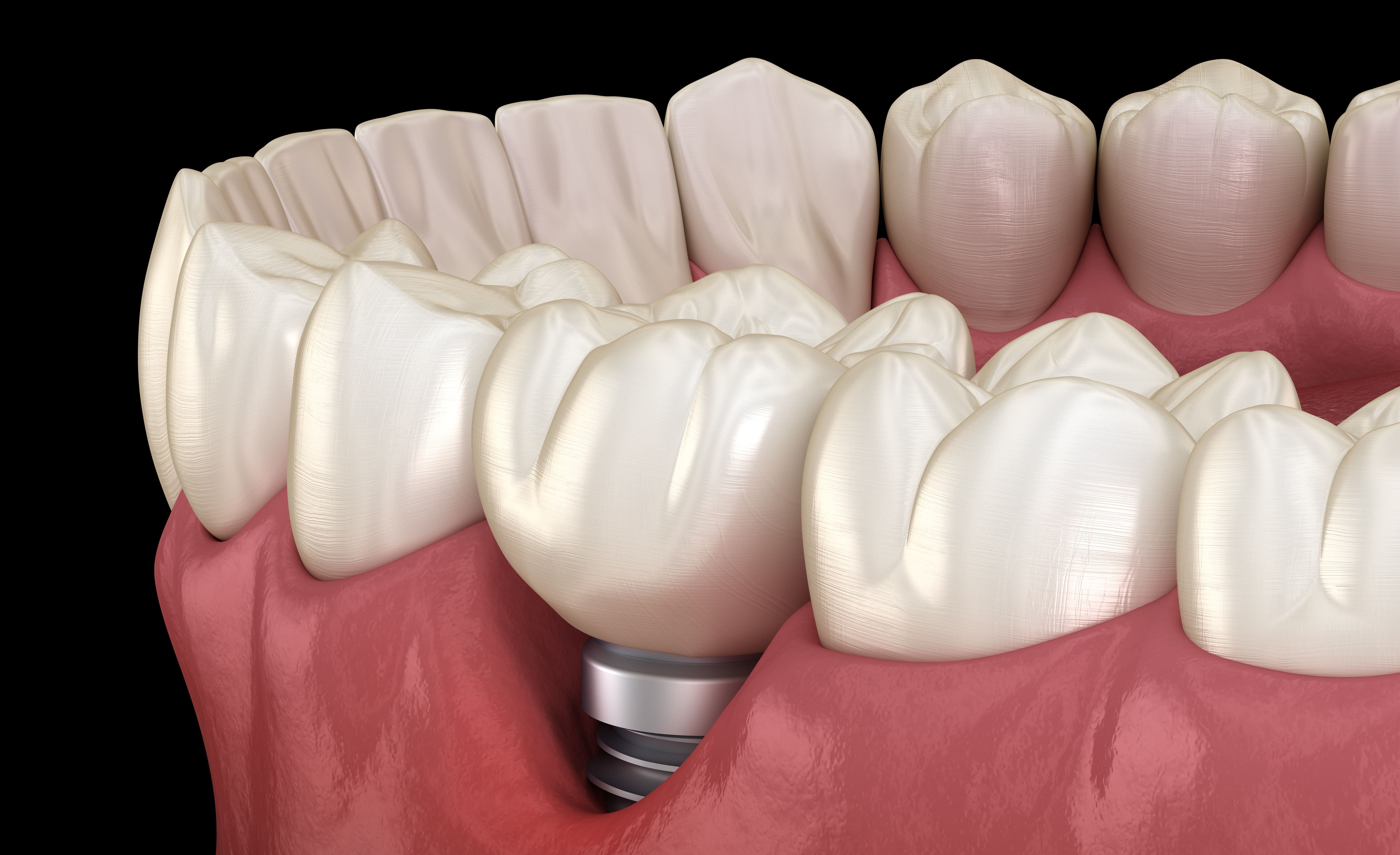
Type of procedure: For example, in dental implantation, it is often necessary to maintain tension at the suture site to ensure tissue stability around the implant, which may lead to the choice of more resistant sutures such as nylon or PTFE (polytetrafluoroethylene).
Size and location of the wound: The size and location of the wound also influence the choice of suture type. Smaller wounds can be closed with fine sutures (such as 4/0 or 5/0 threads), while larger wounds or those in high-tension areas require stronger sutures (such as 3/0 threads).

Resorbable sutures: These sutures naturally degrade within the body over a few weeks or months, eliminating the need for removal. They are ideal for internal wounds or soft tissues that do not require prolonged support. Examples include polyglycolic acid and polylactic acid sutures, commonly used in dental surgery.
Non-resorbable sutures: These sutures do not degrade naturally and are used when prolonged fixation is needed, particularly to maintain wound edge approximation for an extended period. Non-resorbable sutures include nylon, polytetrafluoroethylene (PTFE), and polyester.
Monofilament vs. Multifilament sutures:
Monofilament: Made of a single strand, these sutures are generally smoother, reducing the risk of infection — especially important for sutures placed in the oral cavity. However, they may be less flexible and more challenging to handle. Nylon is a typical example of a monofilament suture.
Multifilament: Composed of several strands braided together, these sutures are more flexible and easier to manipulate. However, they have a higher risk of bacterial adhesion, making them less suitable for some surgical settings, particularly in soft oral tissues.
The size of the thread depends on the tension force it needs to withstand. Generally, dental surgery sutures range from 3/0 to 6/0, with finer threads (like 5/0 or 6/0) used for delicate procedures or areas where rapid healing is expected. Larger threads (3/0 or 4/0) are used in areas needing more strength or where greater tissue tension must be maintained.
Simple interrupted stitches: These are the most commonly used and represent an easy technique to master for low-complexity suturing, especially for smaller procedures.
Continuous and mattress sutures: These techniques are recommended for larger or deeper wounds where reducing wound tension is important to promote healing.
Intradermal sutures: These stitches are particularly useful for aesthetic purposes, where visible suture marks on the skin or mucosa must be avoided.
Follow manufacturers’ guidelines: Each suture type has specific indications suited to the patient's needs. Following the manufacturer's recommendations is crucial for ensuring safe and effective care.
Consider the patient’s general health: Patients with impaired healing, such as diabetics or immunocompromised individuals, may require specific suture materials to ensure better healing.
Take the oral environment into account: In oral surgery, where bacterial contamination risk is high, it is advisable to opt for resorbable monofilament sutures to minimize infection risk while promoting tissue healing.
How to choose gloves?
How to identify an unknown implant?