

Search in blog
Popular posts

Protocols of use
Protocol of use - surfaces with alcohol
Surface disinfection is a key step in preventing healthcare-associated infections, particularly...
Read more
Product guide
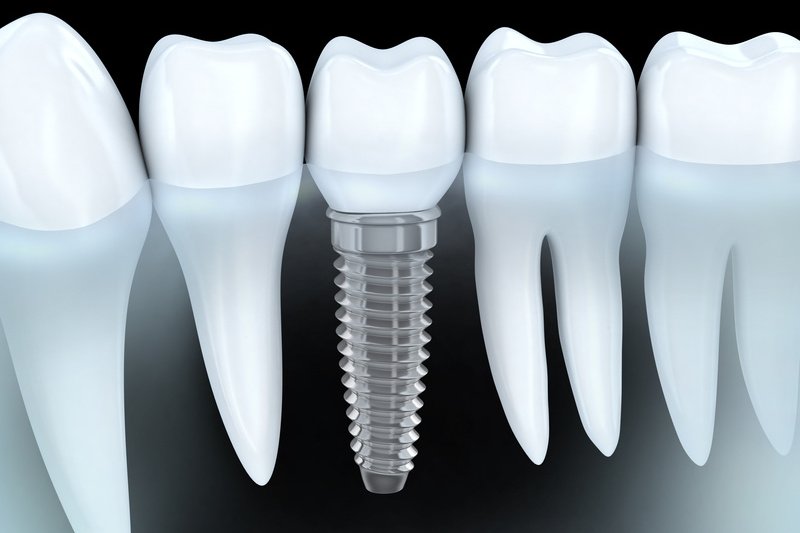
How to identify an unknown implant?
Proper identification of a dental implant is crucial to ensure optimal patient care, effective...
Read more
Thesis
The Concept of “Platform Switching” and Peri-Implant Bone Stability
The preservation of marginal bone around implants is a major factor in the long-term success of...
Read more
Instrument display guidelines
How to choose a dental implant motor?
The dental implant motor is a key piece of equipment for successful surgical procedures in oral...
Read more

Decontamination room layout
Sterilization room layout
Read more
The layout of the reprocessing area Successful infection control is vital in all dentist...
Categories
- Decontamination & sterilisation (1)
- Decontamination room layout (2)
- Disinfecting solutions (5)
- Ergonomics in a dental practice (2)
- Practice design, running costs (4)
- Product guide (4)
- Protocols of use (13)
- Resources (1)
- Risques infectieux (1)
- Schooling (1)
- Standards (1)
- Stériliser, emballer & stocker (1)
- Sterilization processes, sterilization breach e.g. (3)
- Sterilize, pack & store (4)
- Thesis (11)
- Clinical cases : implant surgery (20)
- Clinical cases: How to retrieve the irretrievable? (1)
- Clinical cases: Other specialties (2)
- Code of conduct (1)
- Communication to patient (2)
- Courses, conferences & trade shows (1)
- Dental associations (1)
- Dental software (1)
- Hand Hygiene (3)
- Health care systems, insurances (3)
- Health questionnaire (1)
- Infection control & Guidelines (9)
- Instrument display guidelines (2)
- Patient & DHCP surgical paths (3)
- Personal Protective Equipment (2)
- Product guide (3)
- Surgeon Testimonials (1)
- Patient Management (5)
- Preparation (2)
- Surgery (7)
- Layout and cost of an office (1)
 The operating team should follow a daily procedure in order to minimise the risk of infection. Also ensure that booster injections are implemented and understood correctly by all.
All new staff arriving at the practice should receive the relevant training regarding the risks surrounding infection; this training should include all necessary information minimising the risk of cross-contamination at the practice.
Here is a preview of what could be covered during the introduction:
- A tour around the practice.
- The practice’s expectations regarding security procedures and infectious risk management.
- Recommended vaccinations before entering the practice (Hepatitis B for example).
- The importance of reporting injuries and incidents as they occur.
- The dress code and cleaning overalls / operating overalls worn during surgery.
- Fire, emergency & medical procédures.
- First aid.
- Waste cycle / hazardous substance management.
- Respect for patient confidentiality.
- Clear identification of certain zones (often regarding contamination).
- The use of personal protective items.
- Hair, shoes and jewellery safety régulations.
- Cleaning procedures (to be applied between each patient).
- Cleaning and sterilisation of instruments.
The operating team should follow a daily procedure in order to minimise the risk of infection. Also ensure that booster injections are implemented and understood correctly by all.
All new staff arriving at the practice should receive the relevant training regarding the risks surrounding infection; this training should include all necessary information minimising the risk of cross-contamination at the practice.
Here is a preview of what could be covered during the introduction:
- A tour around the practice.
- The practice’s expectations regarding security procedures and infectious risk management.
- Recommended vaccinations before entering the practice (Hepatitis B for example).
- The importance of reporting injuries and incidents as they occur.
- The dress code and cleaning overalls / operating overalls worn during surgery.
- Fire, emergency & medical procédures.
- First aid.
- Waste cycle / hazardous substance management.
- Respect for patient confidentiality.
- Clear identification of certain zones (often regarding contamination).
- The use of personal protective items.
- Hair, shoes and jewellery safety régulations.
- Cleaning procedures (to be applied between each patient).
- Cleaning and sterilisation of instruments.