
Vacuum waste bag refill
- Compatible with various vacuum systems Compatible with various …
- Secure, anti-contamination sealing Secure, anti-contaminati…
- Effective disposal of liquid waste Effective disposal of li…

 New customer?

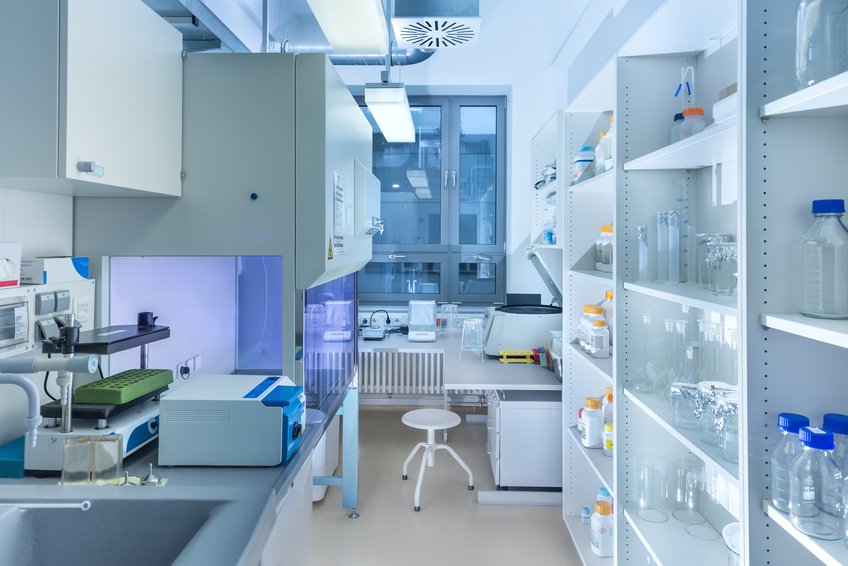
The layout of the reprocessing area Successful infection control is vital in all dentist...
Suction systems play a fundamental role in controlling the surgical environment in dental procedures by efficiently evacuating fluids and aerosols. If not properly maintained, these devices can become vectors for cross-contamination, exposing both patients and practitioners to serious biological risks. Thorough and regular disinfection of suction systems is therefore essential in preventing healthcare-associated infections (HAIs).
Suction lines provide ideal conditions for bacterial biofilm formation due to humidity, stable temperatures, and liquid stagnation. These biofilms may harbor pathogenic microorganisms such as Pseudomonas aeruginosa, Legionella pneumophila, or Mycobacterium spp., which often exhibit strong resistance to standard disinfectants.
According to the recommendations of the Haute Autorité de Santé (HAS) and guidelines from the French Dental Association (ADF), cleaning and disinfection must be performed systematically—at least twice daily, and ideally between each patient, especially in implant surgery where asepsis is critical.
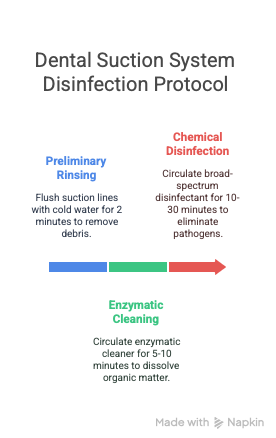
An effective disinfection routine is based on three complementary steps:
Before disinfection, flush the suction lines with cold water for at least 2 minutes to remove organic debris and avoid any chemical interaction with disinfectants.
Using an enzymatic cleaner helps dissolve organic matter (blood, saliva, tissue) and prepares surfaces for efficient disinfection. The cleaner should circulate through the entire system for 5 to 10 minutes.
This step involves circulating a broad-spectrum disinfectant (bactericidal, fungicidal, virucidal—including against enveloped viruses like SARS-CoV-2). The solution must be non-foaming, material-compatible, and have a contact time as specified by the manufacturer (typically 10 to 30 minutes).
Stabilized hydrogen peroxide and quaternary ammonium compounds are commonly used for their effectiveness against biofilms.
In addition to daily disinfection, a weekly deep-cleaning routine is recommended:
Use appropriate brushes to manually clean suction tips and filters
Inspect tubing regularly to prevent blockages
Disinfect cuspidors and separation filters
A traceability log—whether digital or manual—is strongly advised to ensure compliance with ANSM standards and accreditation requirements.
Never mix different disinfectants
Always follow correct dilution and contact times
Prefer suction of the solution through the tubing rather than soaking
Wear personal protective equipment (gloves, goggles, mask) during maintenance


 Protocol of use - mild soap
Protocol of use - liquid for cold disinfection
Protocol of use - alcohol free disinfectant for surfaces
Protocol of use - surfaces with alcohol
Sterilisation - Recording
Protocol of use - mild soap
Protocol of use - liquid for cold disinfection
Protocol of use - alcohol free disinfectant for surfaces
Protocol of use - surfaces with alcohol
Sterilisation - Recording
