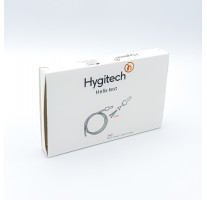
Helix Test
- Compliant with EN 867 / EN ISO 11140 Compliant with EN 867 / …
- Box containing one Helix device and 100 or 250 or 400 indicators Box containing one Helix…
- Effectively checks sterilization of hollow devices Effectively checks steri…

 New customer?

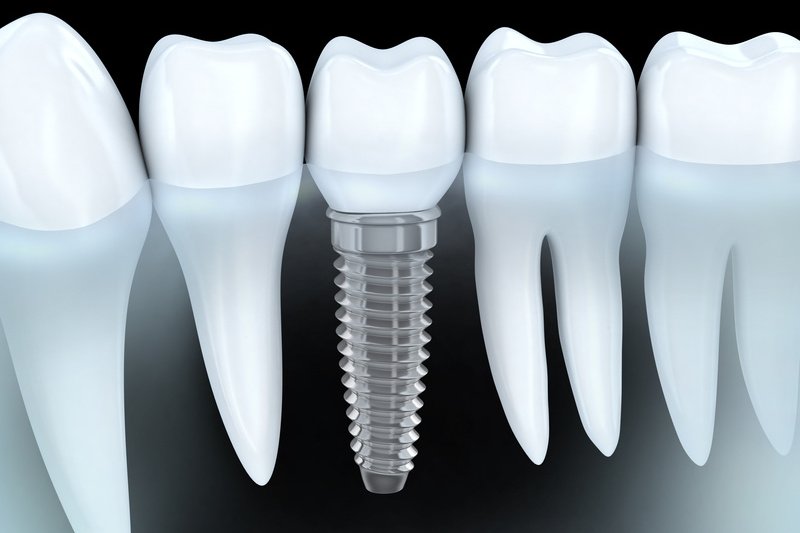
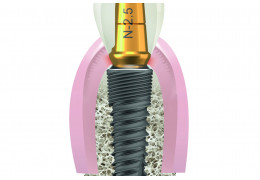
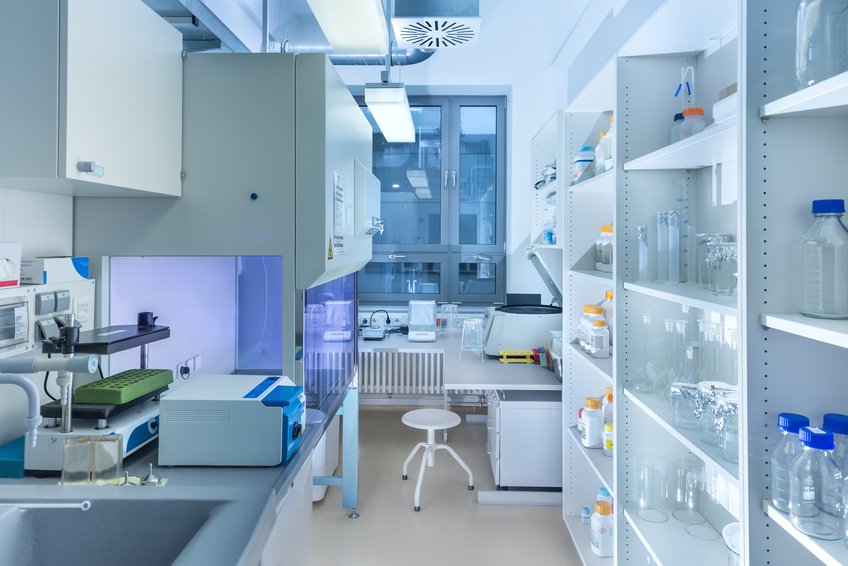
The layout of the reprocessing area Successful infection control is vital in all dentist...
Rotary instruments (turbines, contra-angles, handpieces) are Class IIa medical devices that come into direct or indirect contact with mucous membranes—and sometimes blood. Due to the high risk of cross-contamination, their disinfection and sterilization must follow a strict protocol, in accordance with guidelines from health authorities such as HAS, ANSM, and the CDC.
Rotary instruments are potential vectors for pathogenic microorganisms (viruses, bacteria, spores), especially if not cleaned immediately after use. Studies have shown that internal contamination with biological fluids can persist even after external surface disinfection (CDC, Guidelines for Infection Control in Dental Health-Care Settings, 2003).
Possible contaminants include:
Hepatitis viruses (HBV, HCV)
HIV
Resistant bacteria (MRSA)
Prions (low risk, but possible during bone surgery)
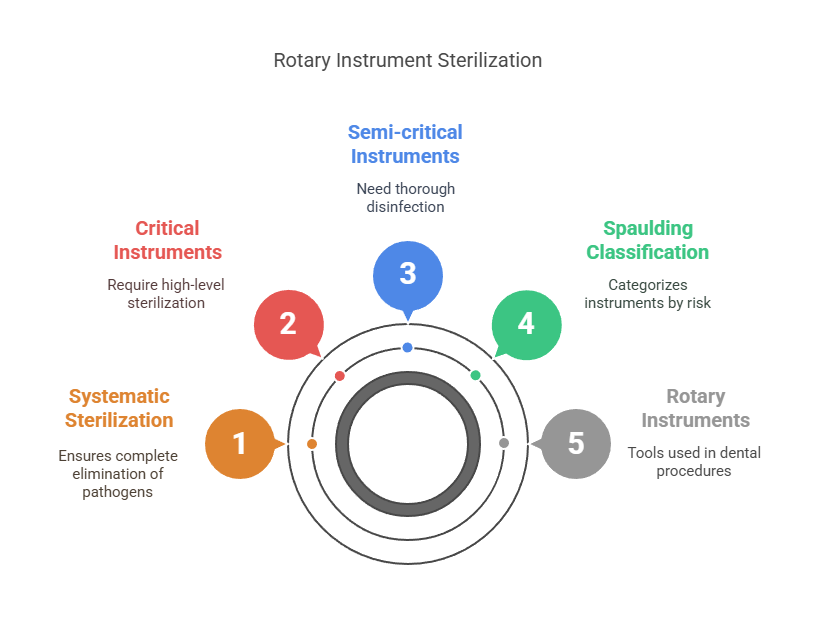
According to the Spaulding classification, rotary instruments are semi-critical devices, or critical in the context of implantology, and therefore require systematic sterilization after each patient.
Essential steps in the process:
Remove visible debris (blood, tissue) with manual wiping
Spray or immerse in an enzymatic detergent-disinfectant solution (EN 14476 for virucidal activity)
Respect the contact time according to manufacturer instructions
Use an automatic cleaning device compatible with rotary instruments (e.g. Assistina, DAC Universal)
Internally clean the tubing with air/oil to flush out biological residues
Mandatory before sterilization (as per instrument manufacturer’s recommendations)
Use sterile medical-grade oils specifically formulated for turbines and contra-angles
Package in sterile pouches or wraps (EN ISO 11607 compliant)
Steam sterilization in an autoclave at 134 °C for at least 18 minutes (Class B cycle recommended)
Verify chemical and biological indicators
Store in a clean, dry, dust-free environment
Sterility duration depends on the packaging used (typically 30 to 90 days)
Sterilization must be performed after every patient, with no exceptions. Traceability is mandatory and includes instrument identification, date of sterilization, operator’s name, and sterilization cycle used. This process can be automated through certain autoclaves or sterilization tracking software.
Check material compatibility: some instruments may not tolerate certain detergents or sterilization cycles
Regularly test autoclave performance (Bowie-Dick, Helix, biological indicators)
Staff training is essential to prevent handling errors and ensure protocol compliance

 Protocol of use - mild soap
Protocol of use - liquid for cold disinfection
Protocol of use - alcohol free disinfectant for surfaces
Protocol of use - surfaces with alcohol
Sterilisation - Recording
Protocol of use - mild soap
Protocol of use - liquid for cold disinfection
Protocol of use - alcohol free disinfectant for surfaces
Protocol of use - surfaces with alcohol
Sterilisation - Recording